

Optimal HP A.M. & P.M.
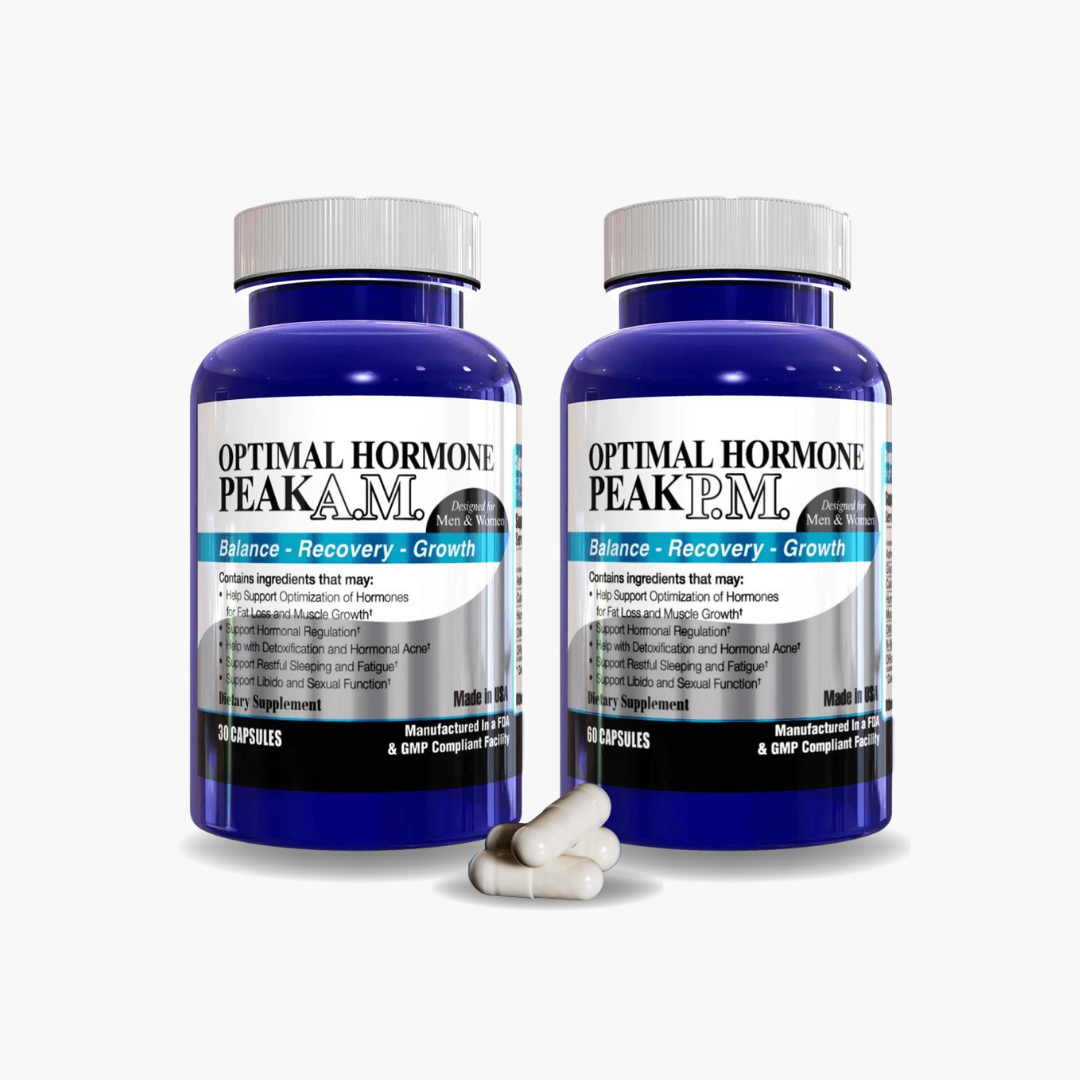
Optimal HP A.M. & P.M.
5.0 / 5.0
(6) 6 total reviews
Hormonal Support for Men and Women
Optimal HP is the first bi-daily balance system designed to work equally well for men and women.
Couldn't load pickup availability
- 30 Day Money Back Guarantee
- Delivery in 2-4 Working Days
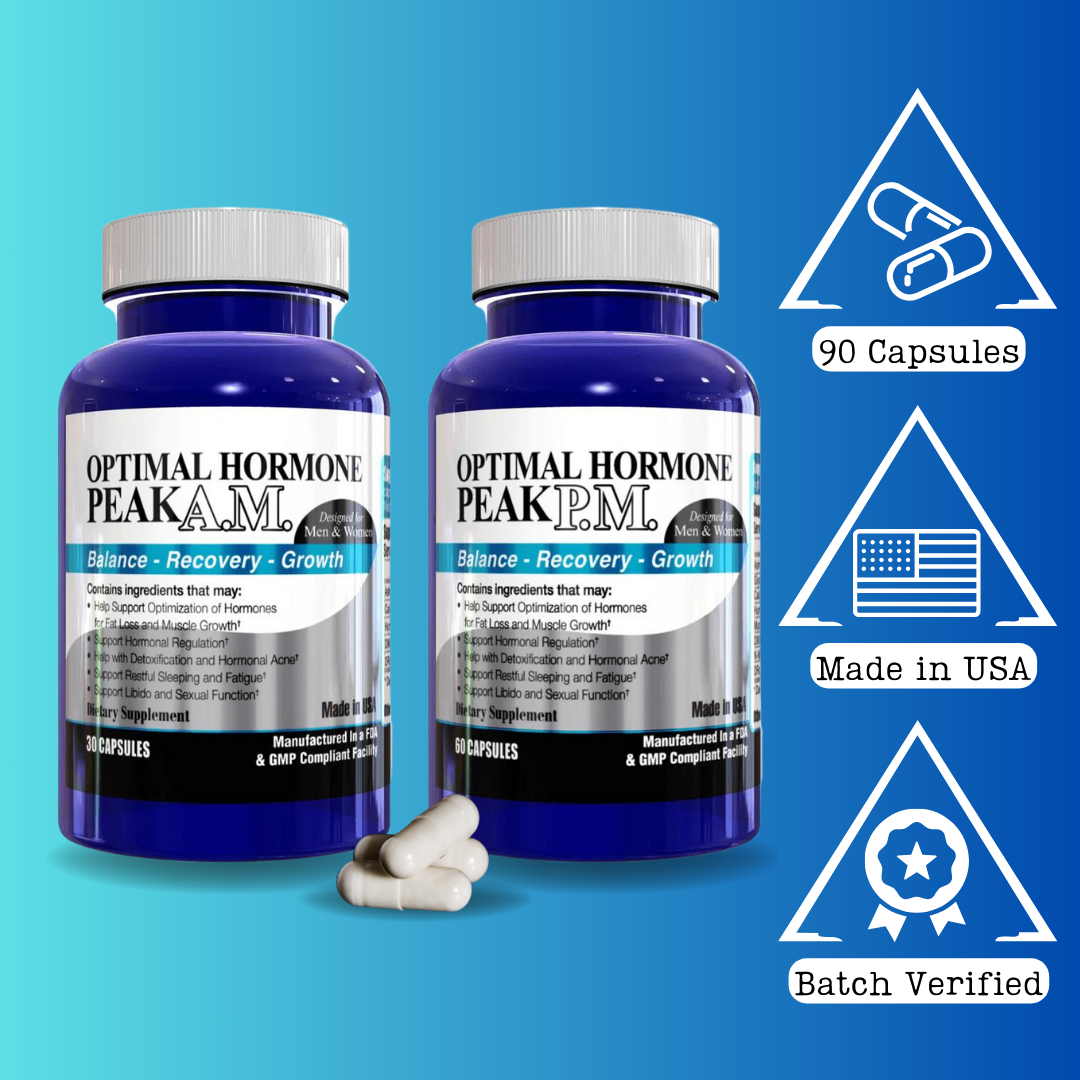
- Made In USA
How Does Optimal Hormone Peak Work?
How Does Optimal Hormone Peak Work?
We live in a world of environmental toxins, foods loaded with Soy filler, and hazardous chemicals infusing the air we breathe. Optimal HP A.M./P.M. is designed to detoxify your system, bring your body back to a healthy state, and allow you to reach your Peak Physical Condition. Regain your confidence in a bathing suit, prevent type II diabetes, combat the stress of P.C.O.S. on your body, jumpstart your sexual desire and function, enter a natural bodybuilding show… whatever your goal is in life, it starts with optimizing your body’s genetic potential and returning to peak health.
Benefits
Benefits
After months of intense research, we developed a formula that accomplishes 3 goals:
- Balance Hormones: Enhances rest and recovery, helps stay in the deep sleep phase of your sleep cycle longer, increases desire and finishing ability, and slows down the aging process, tightening skin and reducing joint pain. With powerful adaptogens in the formula, your body will find its healthy balance again, reducing the side effects of menopause, birth control, and coming off cycle from Hormonal Therapy.
- Amplify Beneficial Hormones for enhanced muscle growth and fat loss: By naturally increasing production and release of GH, Test, and Luteinizing Hormone, your body will be primed for increased muscle growth as well as increased fat loss.
- Hormonal Detoxification: Two ingredients work in conjunction to increase the livers ability to break down excess estrogen and excrete it from the body. There are now numerous estrogen mimickers in our environment. These are wreaking havoc on our hormones, mood, and waistlines in both men and women. This excess estrogen can lead to troublesome adult acne, gynecomastia in men, breast and ovarian cancer in women, and increased fat storage in the stomach and hips.
Clean & Effective Ingredients
Clean & Effective Ingredients
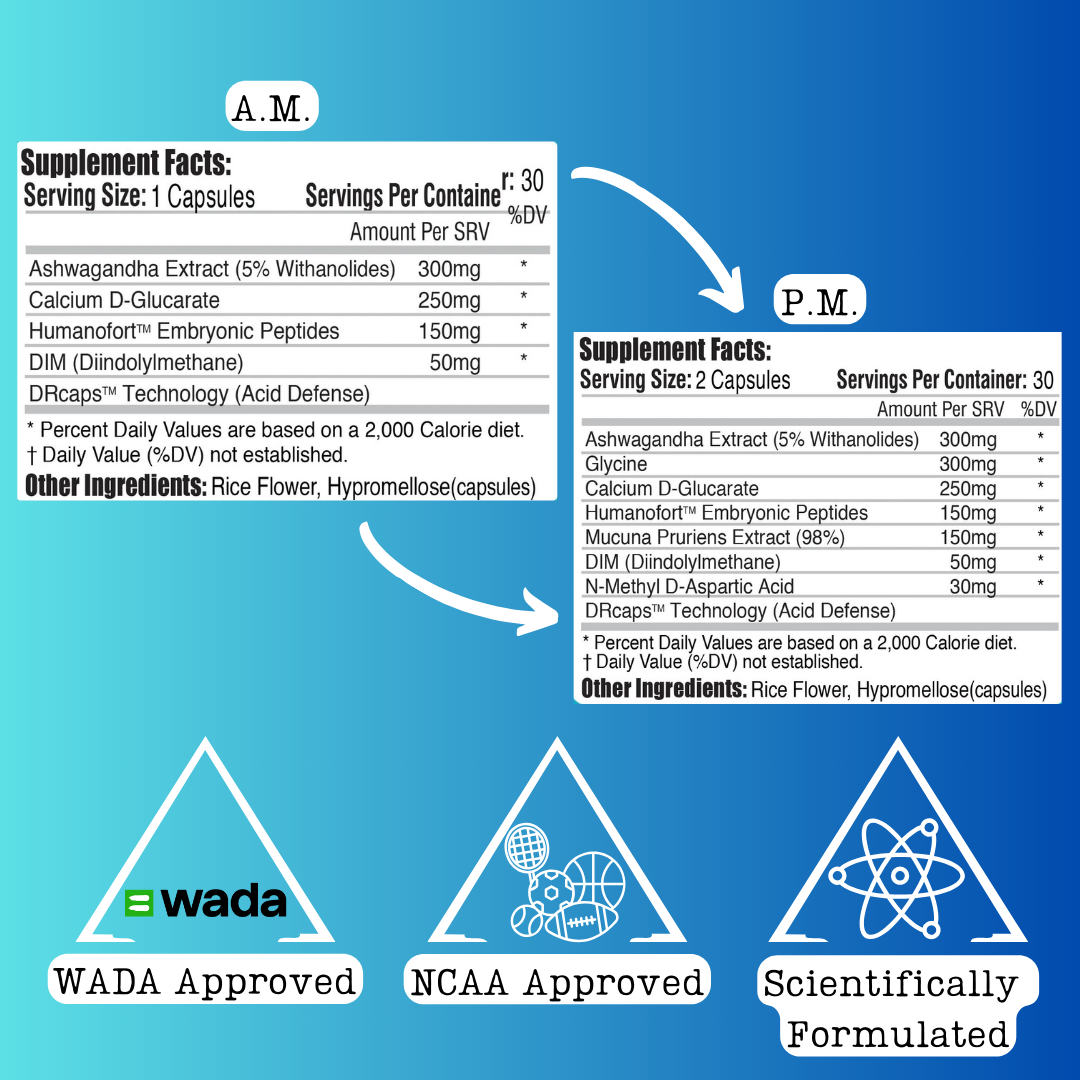
A.M.-
Ashwagandha Extract, Calcium D-glucarate, Humanofort, DIM
P.M.-
Ashwagandha Extract, Calcium D-glucarate, Humanofort, DIM, Glycine, Mucuna Pruriens Extract, N-Methyl D-Aspartic Acid
Suggested Use
Suggested Use
Optimal Hormone Peak AM:
As a dietary supplement, take 1 capsule in the morning with or without food.
Optimal Hormone Peak PM:
As a dietary supplement, take 2 capsules at night before bed with or without food.
As a reminder, discuss the supplements and medications you take with your health care providers.
Shipping
Shipping
Most orders are shipped the same day, Monday through Friday. Orders placed on non-business days or national holidays will be shipped the following business day. Shipping times may vary, but rest assured we work our hardest to get you your order as quickly as possible.
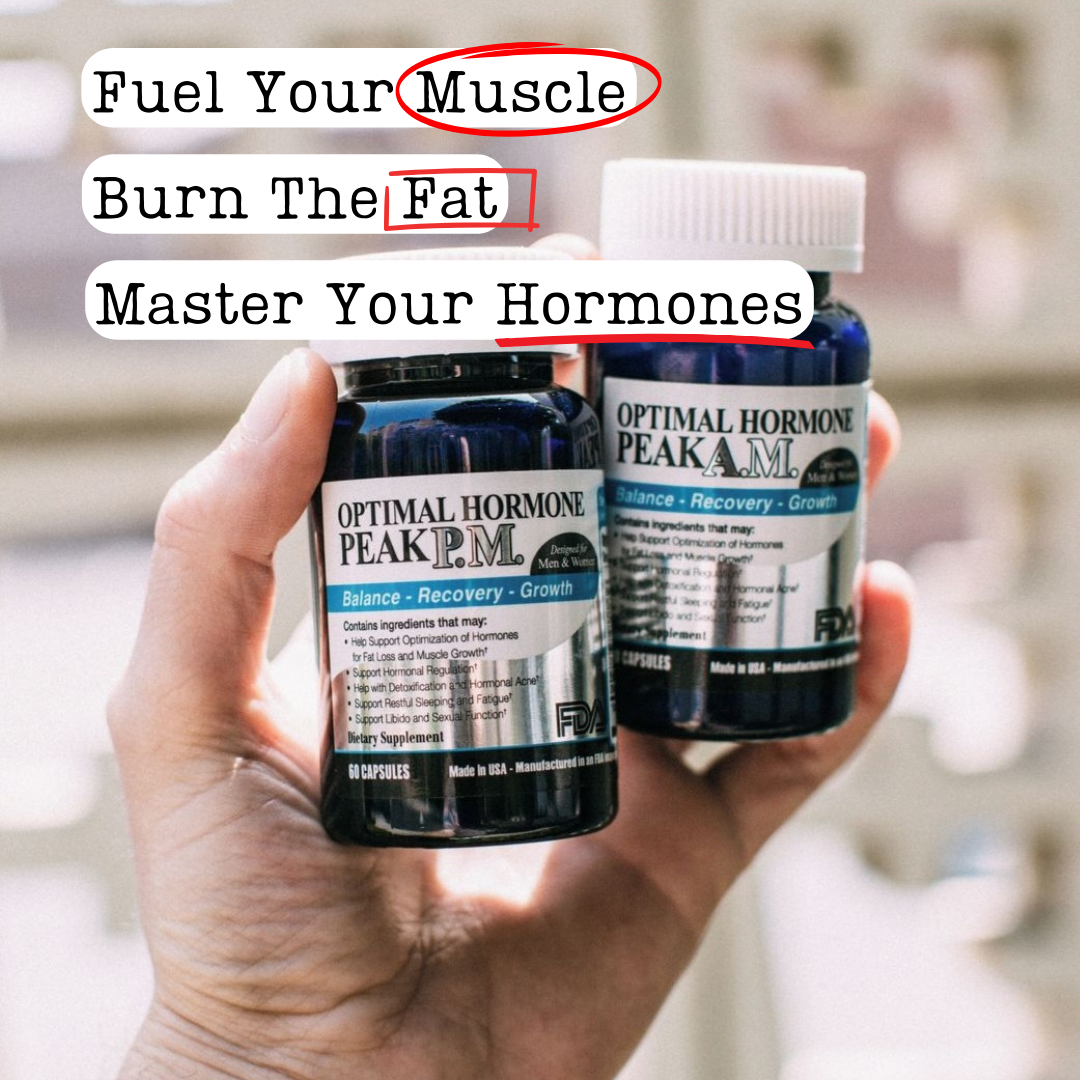
Fuel Your Muscle. Burn the Fat. Master Your Hormones.
-

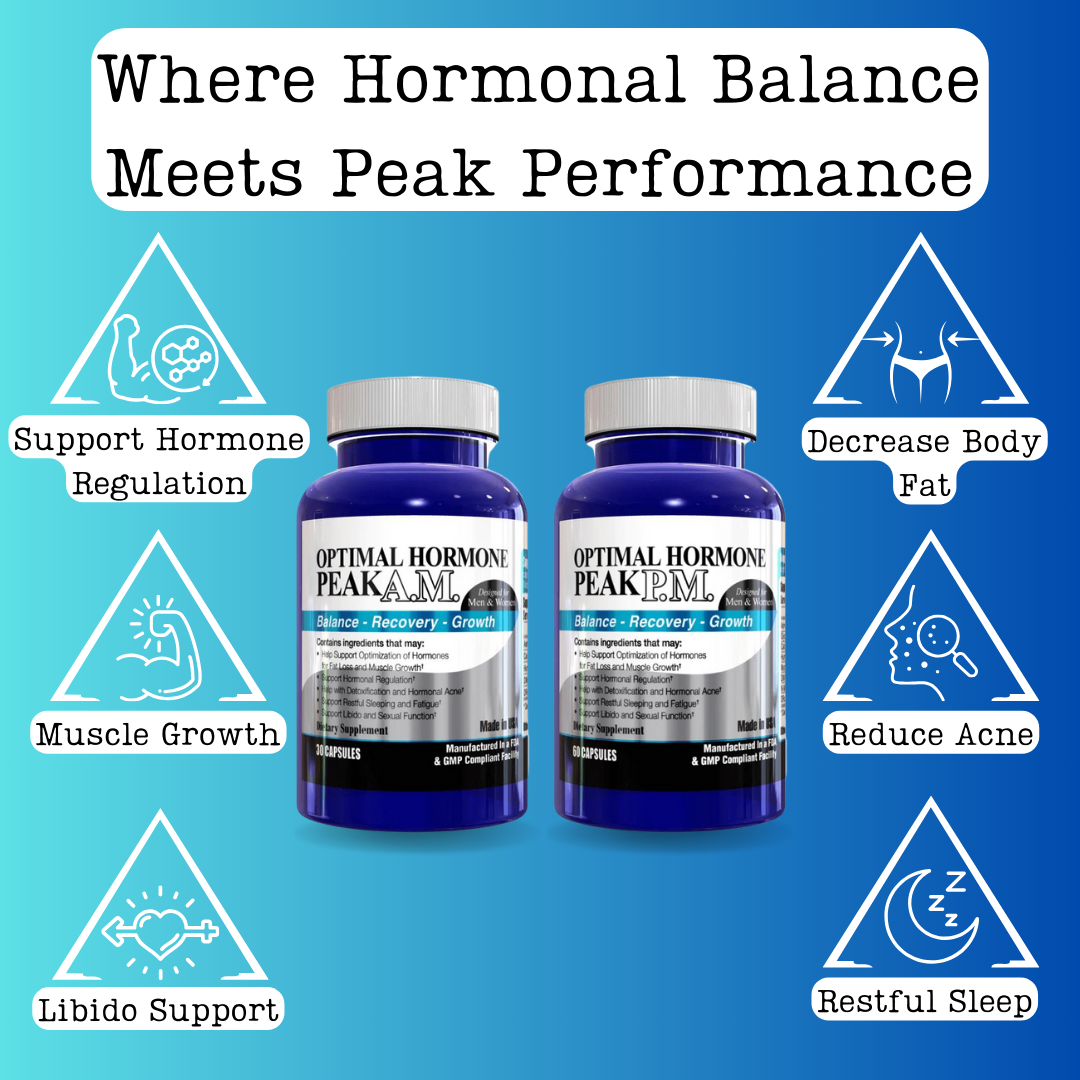
Support Hormone Regulation
-

Decrease Body Fat
-

Muscle Growth
-

Reduce Acne
-

Libido Support
-

Restful Sleep


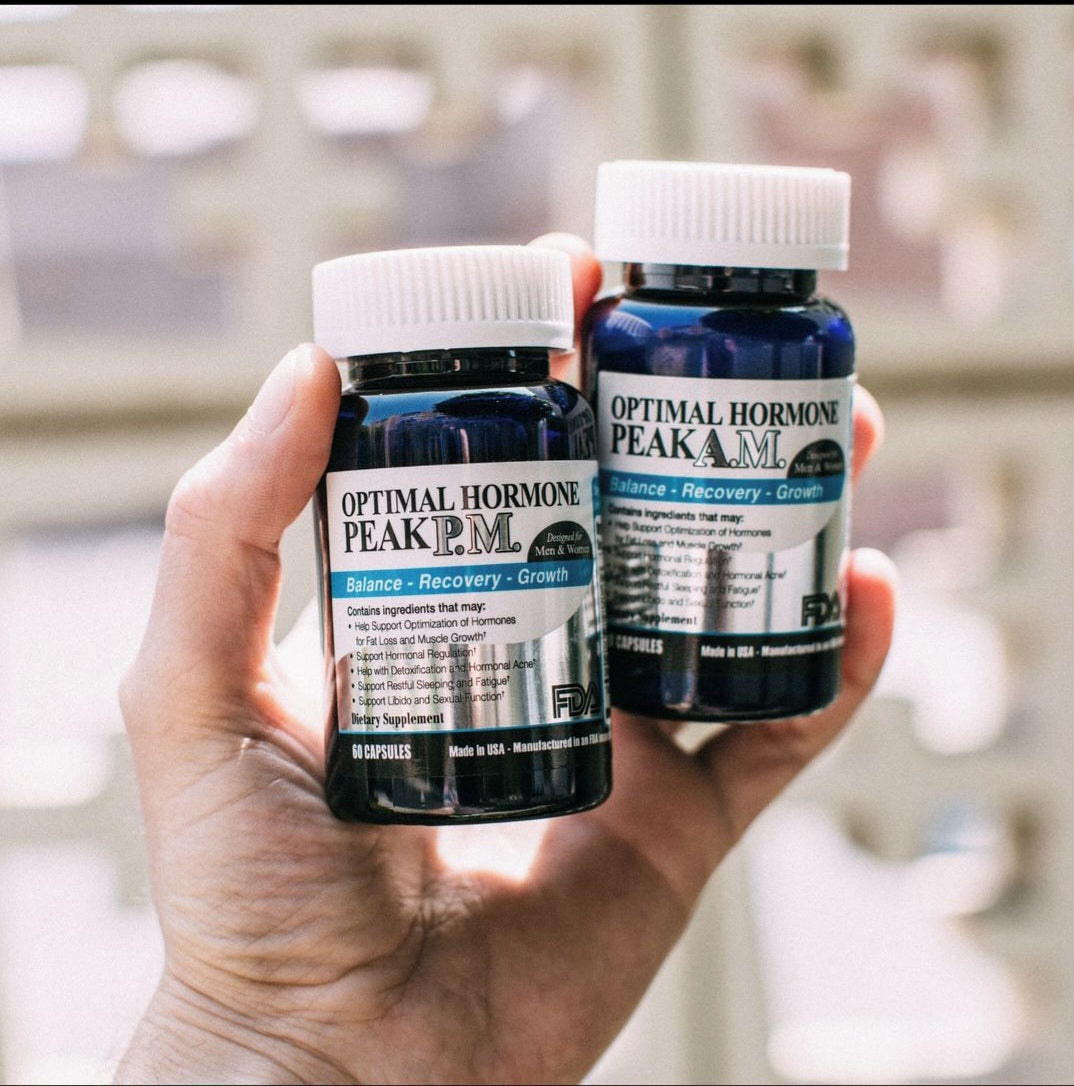
Where Hormonal Balance Meets Peak Performance
Get your mind and body in sync and elevate your fitness game. Muscle up, slim down, and feel unstoppable. Say goodbye to hormonal chaos and hello to peak performance. Sleep well, love better, and transform your body with ease.
What's the "Science" behind the Creation?
DIM
DIM helps with Estrogen metabolism, which prevents drastic increases or decreases in estrogen. It also prevents the conversion of testosterone into estrogen.
Estrogen hormones are naturally found in men and women and have many benefits such as preserving artery health and brain function while fighting oxidative free radical damage. The higher estrogen levels found in women are what cause the female body shape, with breast and hip development. Many women are estrogen dominant however, meaning they have too much estrogen accumulating in the body for the complementary progesterone to balance.
Natural estrogen dominance occurs as women near menopause, starting even ten years prior to menopause, where they often don’t make as much progesterone to balance their estrogen. Symptoms such breast pain, water retention, heavy painful menstrual cycles, or irritable anxious moods are typical bothersome symptoms. Estrogen’s over-stimulation of breasts and uterus tissue can lead to breast cysts or adenomas and uterine growths – both unpleasant and potentially dangerous physical outcomes are too often accompanied by worrisome mammograms and hysterectomies.
Some women have estrogen dominance throughout their life for various reasons, such as low thyroid, high cortisol, exposure to environmental estrogen-like chemicals, or impaired detoxification pathways for estrogen.
Men often suffer from estrogen overload as well. With normal aging our testosterone levels drop as the conversion to estrogen increases, leading to a falling ratio of testosterone to estrogen. Higher estrogen levels in men lead to weight gain, loss of muscle mass, feminization of the body, further decreases in already falling T levels, and increase the risk of diseases such as heart disease and prostate cancer. The enzyme that normally converts testosterone to estrogen is most abundant in fat, so as men put on weight the cycle of falling T and rising estrogen simply picks up steam!
How does DIM work?
There are two main pathways in the liver for our estrogen to be normally metabolized and excreted. One pathway leads to very good metabolites, called 2-hydroxy estrogens. The other pathway leads to bad metabolites called 4 or 16-hydroxy estrogens. DIM stimulates the favorable 2-hydroxy pathway for estrogen metabolism and this is how DIM works to improve our health. DIM is not a hormone, nor is it a hormone replacement. It is a plant compound that will improve our hormone balance. By improving the metabolism of our natural Estrogens DIM will help lower high levels of estrogen in the body. This alone can help remedy estrogen dominant conditions and restore a healthy estrogen/testosterone ratio in men and women. The favorable 2-hydroxy metabolites promoted by DIM are potent anti-oxidants and help prevent muscle breakdown after exercise, as evidenced by female athletes having less muscle tissue breakdown after intense exercise than men. By reducing the estrogen dominance and also reducing the accumulation of cancer-promoting 4/16-hydroxy metabolites DIM can help lower the risk of cancer. The 2-hydroxy metabolites help increase the active testosterone levels in men and women by displacing inactive protein-bound testosterone to its active “free” portion. This leads to significant improvements in the ability to build muscle and enjoy the benefits of testosterone including better mood, increased stamina, endurance, sex drive and erectile function. The accumulation of fat around the belly, hips and buttocks is partly due to excess estrogen levels combined with falling testosterone levels. DIM will help lower excess estrogen and promote the fat-burning 2-hydroxy metabolites. This can help you achieve a leaner body with less body fat.
Calcium D-Glucarate
This supplement is a safe form of a calcium salt derived from d-glucaric acid. You can find this derivative in various fruits and vegetables, and it is made in small quantities in our bodies. It is present in the following foods: apples, apricots, citrus fruits, cherries, grapefruits, broccoli, Brussels sprouts, and alfalfa sprouts.
Calcium D-glucarate is readily absorbed, active in small doses and bioavailable in the body for relatively extended periods of time with many health benefits. Let’s talk a look at some of the known advantages of this phytonutrient.
Counteracts Intestinal Inflammation
The truth is that many of us have large amounts of inflammation in our guts that is not treated properly or addressed at all. This is due to genetics, poor diets, digestive imbalances, food sensitivities, and infections. The digestive system is the foundation of good health and many of us are struggling (and many of us don’t even know that are guts are struggling).
When there is an imbalance in the digestive system, one of the byproducts that occur with an increase in harmful bacteria or a low level of good bacteria is something called beta-glucuronidase. Calcium d-glucarate has a direct effect on this byproduct and therefore, can help to counteract intestinal imbalance. By calcium d-glucarate inhibiting the effects of beta-glucuronidase, the body can then more efficiently remove toxins and balance the gut.
Liver and cellular detoxifier
Calcium d-glucarate helps with detoxification through a few different mechanisms. It supports the liver and detox pathways. With this, it also helps hormone balance since hormones have to be broken down by the liver.
Since it also is a beta-glucuronidase inhibitor, this also helps to support the liver. By inhibiting this toxic byproduct of beta-glucuronidase, the excretion of toxic molecules through the detoxification pathway is promoted. Therefore, calcium d-glucurate has been shown in various studies to boost the body’s capacity to eliminate toxins and waste products while balancing hormones.
Estrogen metabolizer
There are now numerous estrogen mimickers in our environment. These are wreaking havoc on our hormones, mood, and waistlines, for both men and women.
Calcium D-glucarate works by metabolizing any excess estrogen in the body. It helps the liver to metabolize hormones, which is necessary for both males and females. Increased estrogen will interfere with testosterone in men and lead to severe hormone imbalances in women. It is incredibly vital to balance hormones for overall health and wellness, and so hard because of all the environmental Estrogen mimickers. Calcium d-glucarate accomplishes this difficult task by fortifying the liver and detoxifying the unwanted hormones from your system.
Lipid-lowering agent
Decreasing the byproduct of beta-glucuronidase from gut production increases liver circulation and reduces cholesterol synthesis. Both of these effects help to lower total and LDL cholesterol.
Decrease the possibility of cancer
We know without a doubt that a diet high in fruits and vegetables has many benefits and helps to decrease the chance of certain degenerative diseases and cancers. This is due to many reasons, including phytonutrients that are in fruits and vegetables. One of these compounds is calcium d-glucarate. It does this by suppressing cell proliferation that we see in cancer situations, and also reduces chronic inflammation by decreasing the level of inflammatory cytokines in the body.
Research shows that it lowers cancer risks. So much so that the AMC Cancer Research Center even recommends calcium d-glucarate.
Even though there are so many benefits to this supplement, it is not possible to get the amounts of glucaric acid that are necessary to thrive from food alone and humans produce only small levels of calcium d-glucarate. Back in the day, these small amounts of natural glucaric acid was enough when we lived in an environment with low toxins and ate a clean and natural diet. But, unfortunately, we now live in an environment where we need additional support against toxins and hormone mimickers.
Therefore, we need supplementation at a higher dose. The research recommends to take at least 200-400 mg/day. It is also okay to go for a higher dose because it is a natural substance and essentially nontoxic.
Everyone truly can benefit from calcium d-glucarate. This supplement is especially excellent for hormonal imbalances, infertility concerns, detox programs, and highly recommended for bodybuilders to help support their overall health and physique in conjunction with a good diet and exercise program.
Ashwagandha
Combats Anxiety & Stress
Ashwagandha is traditionally used as a tonic to calm the nerves. In two studies of 116 chronically-stressed people, the root extract improved stress, well-being, and happiness; it also reduced cortisol levels.
Supports Fat Loss & Muscle Growth
Ashwagandha root extract reduced food cravings, eating, and body weight in a study of 52 people.
In three studies with over 100 people, ashwagandha extract in combination with resistance training:
- Reduced body fat
- Increased muscle strength
- Boosted testosterone
- Reduced body fat
Enhances Endurance
In a trial of 49 healthy athletic adults, Ashwagandha extract improved endurance and self-reported physical health after 12 weeks.
It had the same effect on 40 elite cyclists after 8 weeks of supplementation.
Fights Infections
Anti-Bacterial
In a study of 133 people with tuberculosis, Ashwagandha and other herbals in combination with antibiotics relieved coughing and fever better than antibiotics alone. In another study of 99 people with tuberculosis, Ashwagandha improved symptoms, inflammation, and body weight.
In mouse and cell studies, Ashwagandha has inhibited or killed bacteria such as Salmonella and Staphylococcus aureus.
Antiviral
An herbal remedy containing Ashwagandha sped up recovery from viral hepatitis in 29 patients.
Ashwagandha has also shown antiviral activity against HIV, herpes, and Infectious Bursal Disease virus in cell-based studies.
Anti-Fungal
Ashwagandha inhibited the growth of multiple species of fungus (Aspergillus flavus, Fusarium oxysporum, and Fusarium verticillioides) in a cell study.
Anti-Parasitic
Ashwagandha has shown anti-parasitic activity against Leishmania and Malaria in animal studies.
Reduces Pain
Ashwagandha reduced pain, stiffness, and disability in 60 people with knee joint pain. Ayurvedic treatment containing ashwagandha reduced pain, joint tenderness, and swelling in a study of 86 people with rheumatoid arthritis.
Boosts Reproductive Health
Women
Ashwagandha may reduce the complications of menopause. In a trial of 51 menopausal women, ashwagandha reduced symptoms such as hot flashes, mood fluctuations, sleep issues, irritability, and anxiety.
In 50 healthy women, Ashwagandha improved self-reported measures of sexual function such as arousal, lubrication, orgasm, and satisfaction.
Men
In a clinical trial of 150 men, Ashwagandha reduced oxidative stress, increased testosterone, and lowered FSH. These hormonal changes encourage the production of new sperm cells. It also improved sperm count and mobility.
In 46 men with low sperm count, Ashwagandha increased:
- sperm count by 167%
- semen volume by 53%
- sperm motility by 57%
It recovered semen quality in 180 infertile men.
Improves Sleep
The root or whole plant extract has been used as a sleep agent in Ayurveda. A mouse study found that triethylene glycol is the active component of Ashwagandha responsible for sleep induction.
Ashwagandha improved sleep quality in 6 out of 18 healthy people. It also improved sleep in rats through activating the GABA pathway.
Sleep loss is unhealthy and leads to increased levels of reactive oxygen species (ROS) and cell death in the brain. Interestingly, Ashwagandha prevented the negative effects of sleep deprivation in rodents, likely through antioxidant mechanisms.
May Regulate Adrenal Function
Congenital adrenal hyperplasia (CAH) is an inborn dysfunction of enzymes that control hormone production in the adrenal gland. It results in a deficiency of cortisol and aldosterone and an excess of male hormones. Symptoms include excess facial hair, acne, hair loss, menstrual irregularity, and infertility.
In two case studies, Ashwagandha improved the symptoms and hormone levels of elderly women with CAH.
May Promote Bone Health
Bone health issues often arise after menopause, when low levels of estrogen disrupt bone structure. In mice with estrogen deficiency, Ashwagandha prevented bone loss and stimulated new bone formation.
It improved bone building in calcium-deficient rats and chickens and increased bone collagen in arthritic rats.
In cell studies, Ashwagandha stimulated bone formation and protected cartilage.
Corrects Mild Hypothyroidism
Mild hypothyroidism, or low thyroid hormones, occurs in 3-8% of people and is especially common in women over 55. Treatment with levothyroxine, a synthetic form of the thyroid hormone T4, often comes with more risks than benefits; thus, many people with mild hypothyroidism go untreated.
In a trial of 50 people with mild hypothyroidism, Ashwagandha extract normalized TSH and thyroid hormones (T3 and T4).
It also increased thyroid hormones in hypothyroid rodents and reduced oxidative stress and inflammation.
NMDA
N-Methyl-D-Aspartic Acid is a selective agonist at NMDA receptor sites in the brain. It mimics the effects of glutamate, the primary excitatory neurotransmitter in the Central Nervous System.
When N-Methyl-D-Aspartic Acid comes into contact with NMDA receptors, it activates them in the same way that glutamate does. These receptors play a role in a number of different cognitive and physiological functions.
Glutamate and NMDA receptors are involved in the underlying processes that control neuroplasticity, memory and learning. They are also responsible for the generation of rhythmic patterns for locomotion and breathing.
Humanofort Pinocytosis
Humanofort contains natural endogenous peptides and growth factors. This includes; IGF-1, IGF-2, FGF (fibroblast growth factors), EGF (epidermal growth factors), CTGF (connective tissue growth factors), Follistatin and Thymosin B4.
The natural growth factors in HUMANOFORT are low molecular weight oligopeptides (amino acids), which are quickly and easily assimilated and transported through the bloodstream to their specific receptor sites.
Humanofort`s extract containing, naturally occurring growth factors (not to be confused with growth hormones), pass intact through the gut into the blood stream, mainly by pinocytosis.
Glycine
Glycine is a versatile amino acid that offers several key benefits when included in sports supplements:
- Improved Sleep Quality: Glycine promotes better sleep by lowering body temperature and enhancing the production of serotonin, which is converted into melatonin. Quality sleep is crucial for recovery, muscle repair, and overall athletic performance.
- Enhanced Muscle Recovery: Glycine aids in muscle repair and recovery by supporting the synthesis of collagen and creatine, which are important for maintaining healthy connective tissues and muscles, especially after intense workouts.
- Joint and Connective Tissue Support: Glycine is a key component of collagen, which is essential for strong joints, tendons, and ligaments. This can help reduce the risk of injuries and support joint health, particularly in athletes engaged in high-impact sports.
- Improved Exercise Performance: Glycine contributes to the production of creatine, which plays a crucial role in ATP (adenosine triphosphate) production, the primary energy source for short bursts of high-intensity exercise. This can enhance strength, power, and overall performance.
- Anti-Inflammatory Effects: Glycine has anti-inflammatory properties that can help reduce inflammation and muscle soreness after intense exercise, leading to quicker recovery times and less discomfort.
- Supports Glucose Regulation: Glycine helps regulate blood sugar levels by improving insulin sensitivity. This is beneficial for athletes in maintaining steady energy levels during prolonged exercise and preventing energy crashes.
- Cognitive Function and Mental Clarity: Glycine acts as a neurotransmitter in the brain, helping to support cognitive function, focus, and mental clarity, which can enhance an athlete’s mental performance during competition.
- Detoxification and Liver Health: Glycine supports the liver’s detoxification processes, which is important for athletes exposed to oxidative stress and environmental toxins. This helps maintain overall health and performance.
- Muscle Growth and Protein Synthesis: As an amino acid, glycine contributes to the synthesis of proteins, which are necessary for muscle growth and repair. It helps maintain a positive nitrogen balance, crucial for muscle development.
- Hydration and Electrolyte Balance: Glycine can help maintain electrolyte balance and hydration, especially when combined with other amino acids and minerals, supporting endurance and reducing the risk of cramping during exercise.
In sports supplements, glycine plays a crucial role in supporting recovery, performance, joint health, and overall well-being, making it a valuable addition for athletes looking to optimize their training and recovery.
Mucuna Pruriens Extract
Mucuna Pruriens Extract, derived from the velvet bean plant, offers several benefits when included in sports supplements, particularly for enhancing physical and mental performance:
- Boosts Dopamine Levels: Mucuna Pruriens is rich in L-DOPA, a direct precursor to dopamine, a neurotransmitter that plays a key role in motivation, mood, focus, and overall mental well-being. Increased dopamine levels can enhance motivation and mental clarity, which are crucial for athletic performance.
- Supports Muscle Growth and Recovery: Higher dopamine levels can lead to increased levels of growth hormone, which plays a critical role in muscle growth, repair, and recovery. This makes Mucuna Pruriens beneficial for athletes looking to build muscle and recover faster after workouts.
- Enhances Mood and Reduces Stress: Mucuna Pruriens has adaptogenic properties, helping the body manage stress and anxiety. By reducing cortisol levels, it can create a more favorable hormonal environment for muscle growth and recovery, as well as improve overall mood and mental resilience.
- Improves Libido and Sexual Health: The extract is known to enhance libido and sexual health by supporting healthy testosterone levels and reducing stress, which can have positive effects on overall vitality and energy levels, indirectly benefiting athletic performance.
- Supports Cognitive Function: By boosting dopamine levels, Mucuna Pruriens can improve cognitive function, including focus, memory, and reaction times, which are critical for performance in sports and other high-stakes activities.
- Increases Energy Levels: The extract may help increase overall energy levels by supporting better neurotransmitter function, which can lead to improved endurance and reduced fatigue during physical activity.
- Antioxidant Properties: Mucuna Pruriens contains antioxidants that help protect cells from oxidative stress and free radical damage, supporting overall health and reducing the impact of intense physical exercise on the body.
- Hormonal Balance: In addition to boosting testosterone, Mucuna Pruriens helps balance other hormones, which can support athletic performance, muscle growth, and overall well-being.
- Enhanced Sleep Quality: By supporting the production of dopamine and other neurotransmitters, Mucuna Pruriens can help regulate sleep patterns, leading to better rest and recovery, which is essential for athletic performance.
- Improves Overall Well-Being: The mood-enhancing effects of Mucuna Pruriens contribute to a greater sense of well-being, which can positively impact motivation, consistency in training, and overall lifestyle habits.
Mucuna Pruriens Extract is a powerful ingredient in sports supplements, offering benefits for mental focus, motivation, muscle growth, stress management, and overall physical and mental performance.
N-Methyl D-Aspartic Acid
N-Methyl D-Aspartic Acid (NMDA) is a derivative of the amino acid aspartic acid and plays a role in various physiological processes. When used in supplements, NMDA is typically aimed at supporting hormonal balance, cognitive function, and overall well-being. Here are the main benefits:
- Supports Testosterone Production: NMDA is believed to stimulate the release of luteinizing hormone (LH) and growth hormone (GH), which can lead to increased testosterone levels. Higher testosterone levels can support muscle growth, strength, and overall physical performance.
- Enhances Muscle Growth and Recovery: By promoting testosterone production, NMDA can aid in muscle protein synthesis, helping to increase muscle mass and improve recovery after intense workouts.
- Improves Libido and Sexual Health: NMDA's potential to boost testosterone levels may also enhance libido and sexual performance. It can support overall sexual health and vitality in men.
- Supports Cognitive Function: NMDA acts as an agonist at NMDA receptors in the brain, which are involved in synaptic plasticity, memory formation, and learning. This can contribute to improved cognitive function and mental clarity.
- May Enhance Mood and Motivation: By influencing neurotransmitter activity, NMDA may help regulate mood, motivation, and emotional well-being. It may have positive effects on motivation and overall mental outlook.
- Aids in Hormonal Balance: NMDA's effects on hormone release can help maintain a healthy balance of key hormones in the body, which is crucial for overall health and well-being.
- Supports Athletic Performance: With its potential to enhance testosterone levels, NMDA can contribute to improved strength, endurance, and athletic performance, making it a popular ingredient in sports supplements.
- Potential Neuroprotective Effects: Some research suggests that NMDA may have neuroprotective properties, helping to protect neurons from damage and support long-term brain health.
While NMDA is associated with these potential benefits, its effects can vary depending on the individual and the specific supplement formulation. It's important to note that more research is needed to fully understand its efficacy and safety profile in supplement use.
Got Questions? We've Got Answers!
Is Optimal Hormone Peak for men or women?
BOTH! Optimal Hormone Peak is UNIQUELY designed to support BOTH men and women in hormonal health. It helps YOUR BODY to function at its peak.
Does Optimal Hormone Peak contain Artificial Hormones?
NO! OHP contains ZERO natural or synthetic hormones. It contains ONLY Natural Ingredients that support your body's ability to produce the optimal amount of beneficial hormones, while preventing dangerous hormones from circulating in your system.
Will Optimal Hormone Peak make me fail a drug test?
NO. OHP contains only Natural ingredients, it is safe to take before any employment drug test, as well as safe to take for any drug tested competition.
Is Optimal Hormone Peak Gluten and Dairy Free?
Yes. OHP contains no gluten or dairy.
Optimal HP A.M. & P.M.
I'm 48 and seem to be starting to go thru "the change". These products have definitely improved energy, sleep, and mood. Less fatigue.
I use this to help with hormonal acne! The pm definitely helps me sleep. When I don’t have it for a few days in between orders I can tell a huge difference
Took about two weeks to kick in, it was like coming out of a dark cave you didn’t realize you were in… I feel happy, I have energy again, I sleep better. I’m not angry and irritated all the time. I feel so much better!
This product works and they know exactly what they are talking about. Sam is a genius and the product really is helping me be a better healthy version of myself. Definitely recomend this product